A house fire changes everything in a matter of minutes.
There is the chaos, the fear, and then the relief when the fire is finally out. Fire crews pack up, things quiet down, and it feels like the worst part is behind you.
But for most homeowners, that is not actually the case.
What is not expected is that the damage continues long after the flames are gone.
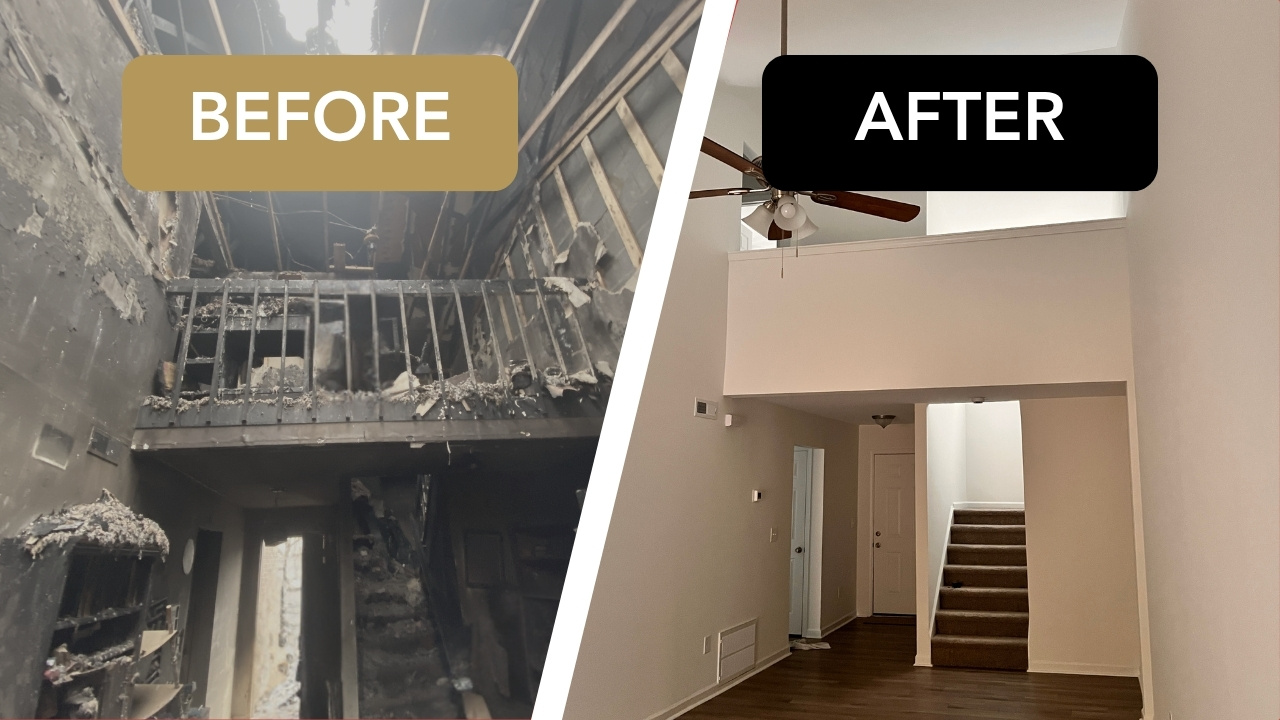 Walking back into the home, the first thing noticed is usually the smell. It is strong, heavy, and it lingers in a way that does not feel like it will ever fully go away. That is because smoke damage is not just in the air. Smoke settles into walls, flooring, furniture, and even the HVAC system. It spreads far beyond the room where the fire started, reaching spaces that never saw flames.
Then there is the soot. It can look harmless at first, like a layer of dust left behind. But it is much more aggressive than it appears. Soot begins to break down surfaces almost immediately. Cabinets, walls, metal fixtures, and appliances can all be affected. Without proper cleaning, that damage becomes permanent. Many homeowners are surprised to learn that items they thought were untouched are already deteriorating.
What many homeowners do not expect is the extent to which their personal belongings are affected. Clothing, furniture, photos, and keepsakes can all be affected by smoke and soot damage. Even items in closed drawers or other rooms can be impacted. In many cases, these items can be cleaned and restored through professional contents restoration, rather than being thrown away.
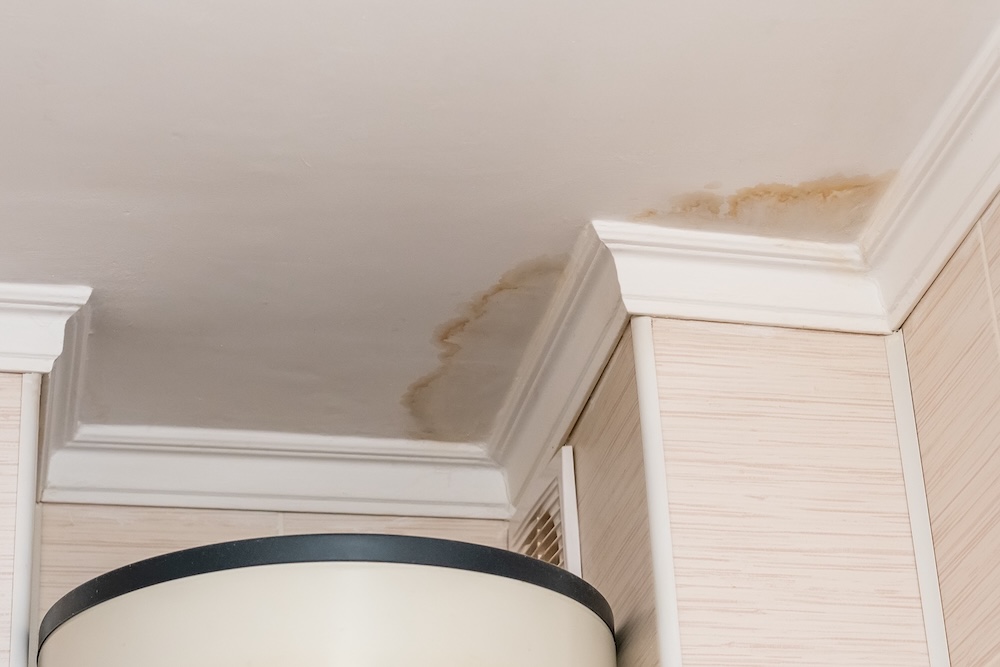
What also catches people off guard is the amount of water left behind. Firefighters use a significant amount of water to put out a fire, and that water does not simply dry on its own. It seeps into floors, drywall, insulation, and crawl spaces. This is where water damage becomes a serious concern after a fire.
In North Carolina, where humidity is already high, that moisture can quickly create a new problem. Mold can begin to develop in a short amount of time if the drying process is not handled correctly, leading to additional mold damage inside the home.
This is where timing becomes critical, and it is often underestimated.
It is completely understandable to pause, to focus on insurance, or to wait until things feel more settled. But the reality is that every day matters. Smoke odor becomes more difficult to remove. Soot continues to damage surfaces. Moisture spreads deeper into materials. What could have been cleaned and restored early on can turn into something that requires full replacement.
Across the Triad, Piedmont, and the North Carolina Mountains, this pattern is seen again and again. The fire itself is only part of the damage. Proper fire damage cleanup involves addressing smoke, soot, water, and the contents inside the home at the same time.
Many homeowners are also unsure of how the insurance process works after a fire. The good news is that it does not have to be handled alone. Working directly with your insurance company and adjustor can help move the process forward more smoothly. In many cases, a claim can be started right away through the Assign a Claim process, helping align restoration efforts from the beginning and reducing delays.
The homes that recover best are the ones where action is taken quickly. Not rushed, but timely. Addressing smoke, soot, water, and contents together makes a significant difference in how much of the home and personal belongings can be saved.
The fire being out does not mean the situation is over. It simply means the next phase has started.
Need Help After a Fire?
If a home has been affected by fire, smoke, or water damage, it is important to act sooner rather than later.