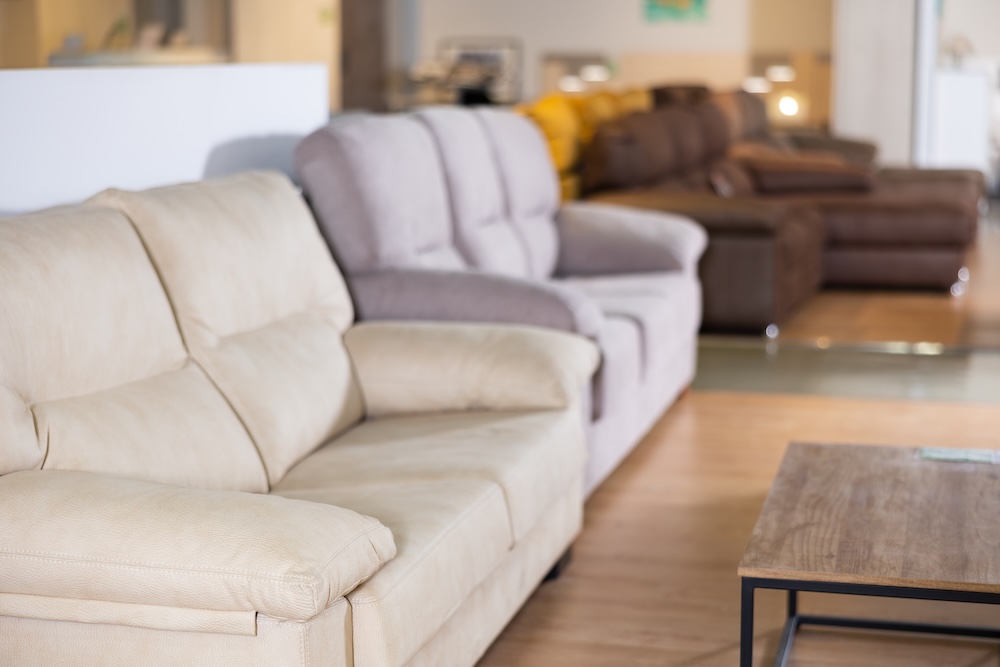
Water damage in your showroom can put months of Fall High Point Market preparation at risk in a matter of minutes. Once people are safe, the priorities are to stop the water, separate wet inventory from dry pieces, protect sensitive electronics, and start controlling moisture before fabrics, furniture, and finishes absorb more of it.
For Piedmont Triad showroom managers, the inventory on the floor is often both valuable and difficult to replace quickly. A pipe break, roof leak, or sprinkler problem close to Market can affect not only the building, but also the products buyers came to see.
First Steps: Securing the Showroom and Stopping Water Intrusion
Your first step in a water damage event is to stop the water flow and make sure the affected area is safe. If you can identify a small source, such as a burst supply line under a sink, shut off the local valve. A larger loss may require the building’s main water supply to be shut off instead.
Electrical hazards need the same caution. If water has reached outlets, wiring, lighting, or other powered equipment, keep people out of the area and have the affected circuits shut down from a safe location.
Once the source is controlled, turn your attention to the inventory closest to the water. Moving dry pieces out of the path of the loss can prevent a localized leak from becoming a much larger contents claim.
Protecting Furniture Samples and High-Value Inventory
Separate wet furniture from dry pieces and get items off wet flooring when possible. Move unaffected pieces to a dry, secure part of the showroom so they aren’t exposed to additional moisture or restoration traffic.
For heavy items that can’t be moved, place aluminum foil, plastic squares, or wood blocks under the legs. This can reduce moisture wicking into wood or metal and help prevent staining, rust, and finish damage.
Special Considerations for Different Materials
For solid wood furniture, gently blot visible moisture with a soft cloth rather than rubbing the surface. Aggressive wiping can spread water across the finish or push moisture into seams and grain.
Upholstered pieces need different handling. Keep fabrics with different colors or dyes from resting against one another while wet, since color transfer can leave permanent stains. Metal trim and hardware should be dried promptly to limit corrosion.
These early decisions can make the difference between an item that can be restored and one that has to be replaced.
Handling Wet Textiles and Fabric Swatches
Wet textiles should be separated quickly to reduce the risk of dye transfer and mold growth. Remove saturated rugs, drapery, fabric samples, and swatch books from the wet area and keep them from being stacked together.
If space allows, lay items out in a dry, ventilated area rather than piling them on top of one another. Avoid hair dryers, space heaters, or other high-heat methods. Excess heat can shrink fibers, distort materials, or set stains that might otherwise have been treatable.
High-value or delicate textiles may need professional contents cleaning rather than ordinary drying. Controlled drying methods can help preserve color, texture, and shape without adding more damage in the process.
Salvaging Electronics and Showroom Technology
Do not power on electronics that were exposed to water. Lamps, computers, point-of-sale systems, sound equipment, displays, and other devices can suffer additional damage if electricity reaches wet internal components.
If the devices can be handled safely, unplug them and remove batteries where appropriate. Blot exterior moisture gently, but do not assume an item is safe just because the casing feels dry.
Water can remain inside electronics and begin corroding circuit boards or connectors long after the surface has dried. Sensitive equipment should be evaluated before it is tested or returned to service.
Documenting Everything for Insurance and Legal Needs
Once immediate safety issues are handled, photograph the showroom before cleanup changes what is visible. Start with wide shots that show how far the water traveled, then document individual pieces of furniture, textiles, electronics, and building materials that were affected.
- Photos and videos of all affected areas
- A list of damaged inventory
- Brand, model, and purchase information when available
- Receipts or appraisals for high-value items
- Notes on anything moved, cleaned, or taken out of service
Before throwing away damaged inventory, check with your insurance provider or restoration team when practical. Some pieces that look badly affected may still be candidates for professional contents restoration, potentially avoiding a large loss situation.
The Hidden Threat: Preventing Mold Growth Before Market
Wet fabrics, wood, drywall, and other porous materials can become a mold concern quickly if moisture stays trapped. High Point’s humid climate makes it especially important to begin drying the showroom as soon as the source is controlled and the area is safe.
A musty smell, lingering dampness, or condensation in areas that should be dry can signal that moisture is still present. Commercial air movers and dehumidifiers can help dry the structure and contents, but the drying plan should be based on moisture readings rather than how the room looks from the surface.
Finding that moisture early can make a major difference before the High Point Market. Mold remediation takes more time and may require materials to be removed, so unresolved dampness is worth addressing before displays are rebuilt or buyers return.
Know Which Contents Are Worth Restoring
Not every wet item is automatically a total loss. Solid wood furniture, certain textiles, electronics, and decorative pieces may be recoverable depending on how long they were exposed, the type of water involved, and the material itself.
That assessment matters in a showroom where replacement inventory may be expensive, custom-made, or unavailable before Market. A restoration team can help separate items that have a realistic path to recovery from pieces that are too damaged or contaminated to save.
Making those decisions early also keeps staff from spending time moving, storing, or cataloging inventory that ultimately can’t be restored.
Partnering With a Specialized Restoration Expert
A commercial showroom needs more than basic water removal. The restoration team may need to dry the building while also evaluating furniture, textiles, electronics, and other high-value contents to determine what can be saved.
Paul Davis understands the pressure High Point showroom managers face as the Fall High Point Market approaches. Our commercial restoration team can address hidden moisture, protect affected contents, and help organize the recovery so damaged inventory isn’t written off before it has been properly evaluated.
If water damage threatens your High Point showroom before Market, contact Paul Davis for professional commercial water damage restoration.