You step outside in April in North Carolina, and it’s everywhere. Your car is covered. Your porch has a yellow tint. Even the air feels thick. Most people shrug it off as “just allergy season.”
But here’s the truth: a lot of homeowners don’t realize that the same pollen coating everything outside is making its way inside your home. And once it’s in, it can create more than just sneezing and itchy eyes. It can start affecting your home itself. Spring humidity can also lead to hidden moisture issues. Learn more about how to handle.
Why Pollen Hits So Hard in North Carolina
Spring in the Triad, including Winston-Salem, Hickory, and the surrounding NC Western NC Mountain areas, brings a surge of tree pollen, especially from oak and pine. These particles are incredibly fine, which means they travel easily and settle into places you don’t always see.
Once pollen levels spike, it does not take much for it to enter your home and build up over time.
How Pollen Gets Inside Your Home
Even if you keep a clean house, pollen has a way of sneaking in:
- Through your HVAC system
- Open doors and windows
- On clothing, shoes, and pets
- Through small gaps around windows and entry points
And once it’s inside, it does not just sit on surfaces. It spreads into carpets, furniture, vents, and even insulation.
The Hidden Impact on Your Home
Here’s where things go from annoying to something more serious.
Poor Indoor Air Quality
Pollen builds up in your HVAC system and air filters, circulating through your home over and over again. This can make your indoor air feel just as bad as outside, or worse.
Increased Mold Risk
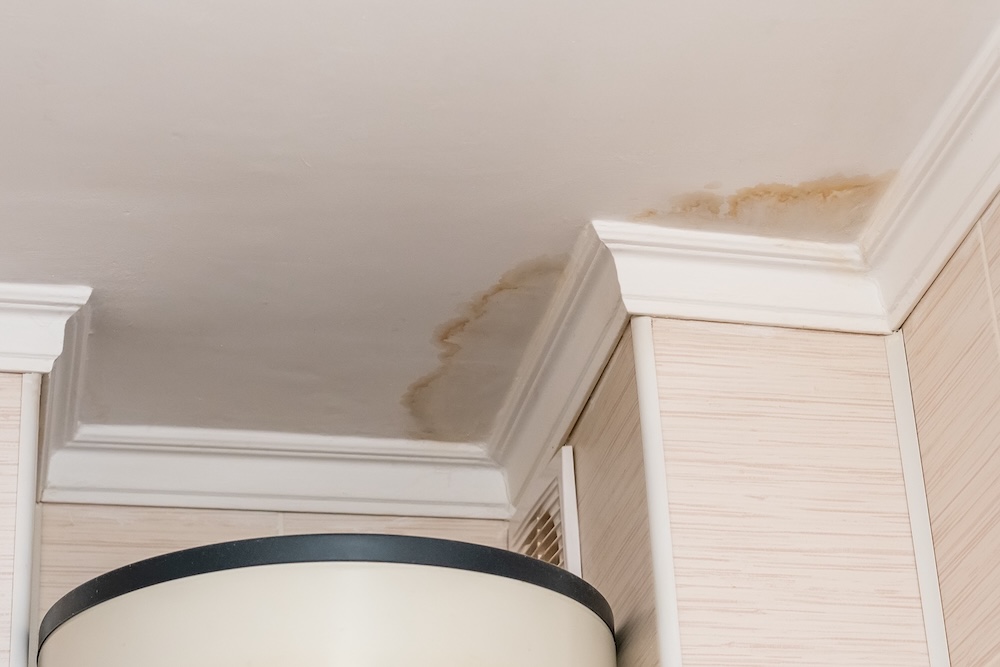
Spring in North Carolina also brings higher humidity. When pollen mixes with moisture, it can create the perfect environment for mold growth, especially in vents, crawl spaces, and attics.
If you suspect mold may already be present, learn more about our professional mold damage restoration services.
Dust and Contamination Build-Up
Pollen combines with everyday dust, creating a heavier buildup that settles into soft surfaces like carpets and upholstery.
Lingering Odors
That musty or stale smell in your home during spring is not always your imagination. It can be a sign that contaminants are building up in hidden areas.
Signs Your Home Might Be Making Allergies Worse
If you notice any of these, your home could be contributing to the problem:
- Allergy symptoms that improve when you leave the house
- Dust returns quickly after cleaning
- A constant need to run air purifiers
- Visible buildup around vents or windows
- Musty or stale indoor smells
What You Can Do Right Now
There are a few simple steps that can make a big difference:
- Change your HVAC filters more frequently during spring
- Keep windows closed on high pollen days
- Use a dehumidifier to control indoor moisture
- Vacuum and clean soft surfaces regularly
- Wipe down vents, sills, and entry areas
These steps help reduce buildup, but they may not fully eliminate what’s already settled deep in your home.
When It’s Time to Call a Professional
Sometimes, what you can’t see is what matters most.
If you’re dealing with persistent odors, suspected mold, or ongoing air quality issues, it may be time to bring in professionals who can assess and address the root of the problem.
Moisture from spring storms can also make things worse. If your home has experienced recent water issues, explore our water damage restoration services.
And if you need immediate help, our team is available 24/7. Visit our emergency service page.
Get Help Today
If your home is not feeling as fresh as it should this spring, don’t ignore the signs.
Call 336-999-7005 or visit piedmont.pauldavis.com.
At Paul Davis Restoration of Triad-West, Piedmont & Mountain Region, NC, we’re here to help you protect your home and your health.
When things go wrong, we do what’s right.